
F*ck Stigma

Stigma is when:†

  • you blame me for not asking for help
  • you see me as a problem, not as a human being
  • I say I’m scared and you tell me the fear is not real

Stigma is a barrier that prevents Veterans from seeking help. Stigma is fear, ignorance, discrimination and bullying. It can come from strangers, or people you know and trust, your family and friends and even yourself.

Stigmatizing Attitudes and Statements

Stigma causes needless suffering. Despite how much we’ve learned about how our brains work, and how far we’ve come regarding suicide and mental health in Canada, suicide and mental health issues are still regarded as a weakness.
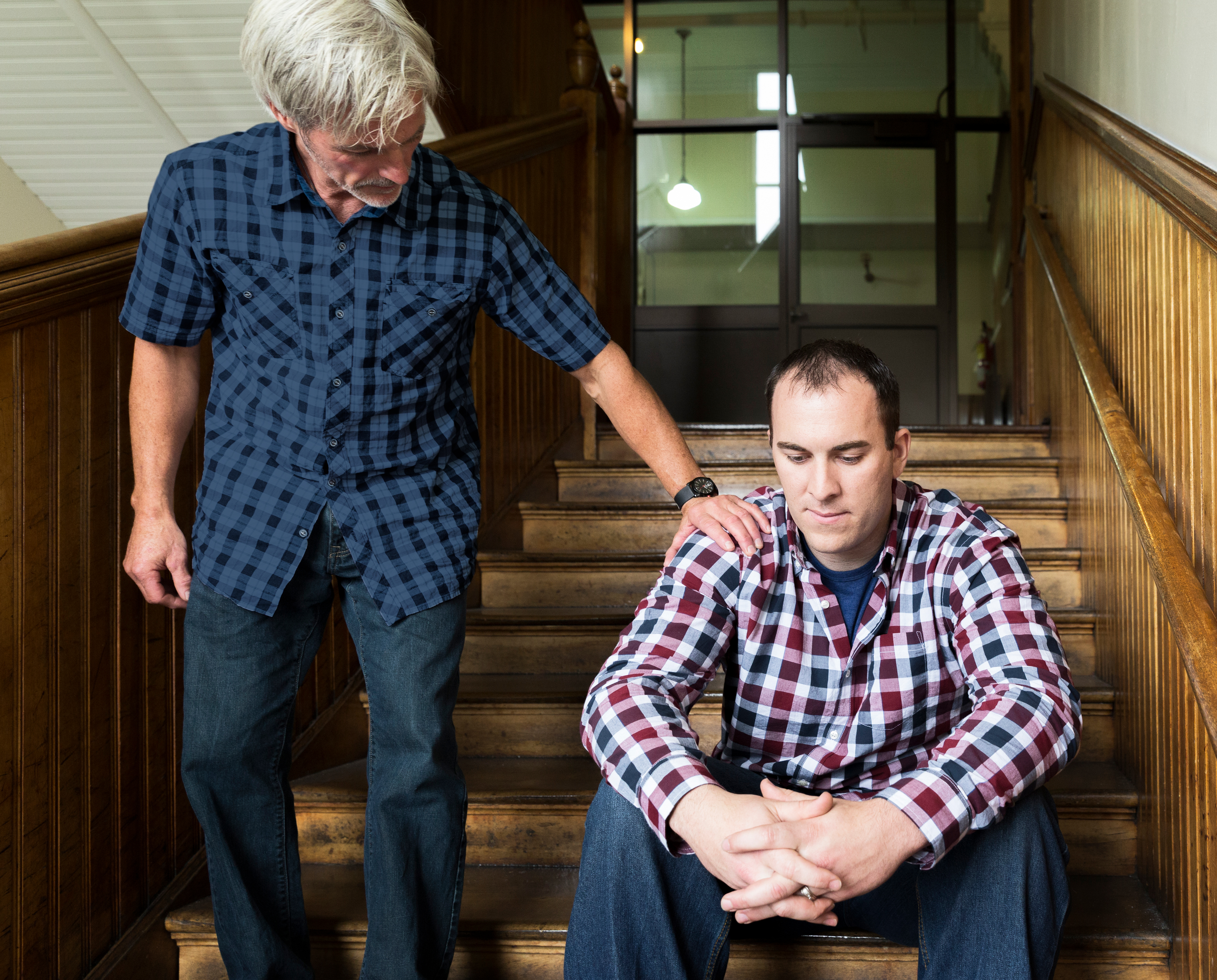
Good friend reaches out to help another.Good friend reaches out to help another.

MYTH
Discussing suicide may cause someone
to consider it, or make things worse.

FACT
Openly discussing suicide helps work through
problems and may bring a sense of relief.
Compassionate listening is one of the most helpful
things you can do.

Verbal and non verbal clues.Verbal and non verbal clues.

MYTH
People who are contemplating
suicide don’t warn others.

FACT
At least 80% of people who die from suicide
have given clues. Some clues may be nonverbal
or difficult to detect.

Depression is treatable.Depression is treatable.

MYTH
Depression is a weakness.

FACT
Depression is a serious but treatable illness that
has nothing to do with moral strength or weakness.
Depression can hit any of us. Roughly 80% of those
with depression can get better with appropriate
treatment, including counseling.

Suicide Stigma

  • “He’s not really going to kill himself, he’s just seeking attention.”
  •  “She was weak and took the coward’s way out.”
  • “He killed himself to get back at his ex-wife.”
  • Suicide is contagious.
  • Suicidal people are dangerous and a threat to others.

Mental Health Stigma

  • “She’s not depressed, she’s just lazy.”
  • Excluding someone because their mental health issue makes you uncomfortable.
  • Calling someone crazy.
  • Brushing someone off by telling them to “Get over it.”
These kind of statements and attitudes can cause a Veteran to deny their own symptoms and delay getting help. Stigma is harmful to suicide survivors and those who have lost someone to suicide. What do we say to that?

F*ck Stigma!

  • Talk openly about suicide and mental health issues.
  • Be patient.
  • Listen.
  • Be compassionate. Lose the judgement.

Suicide is not a weakness or character flaw. It is an immense pain that someone has been carrying around for too long.

What to say in a conversation

In conversation, someone may say something stigmatizing about suicide or mental health issues. How do you respond?

It’s probably best to respond with patience and kindness because you don’t know if the person you’re talking to is struggling.

Stigma is one of the main reasons people don’t seek help. Stigma stops them from reaching out because they’re afraid they’ll be treated badly. Or it makes them ashamed of themselves. Sometimes Veterans get treated in a stigmatizing way because people don’t know what to say or what to do.

What they don’t realize is that it’s the small things that make the most difference. Top of that list is kindness. Smiling. Asking how they’re doing today. Reaching out if you see a Veteran sitting alone with their head down having a coffee. They don’t need you to be their counsellor: they need you to be a friend.

It’s the little things that each and every one of us can do that adds up. I believe if we all did little things to help, we’d eliminate stigma. And more Veterans would get the help they need – and deserve.

Bruce Thomson

References and Resources

† Recovery Network: Toronto